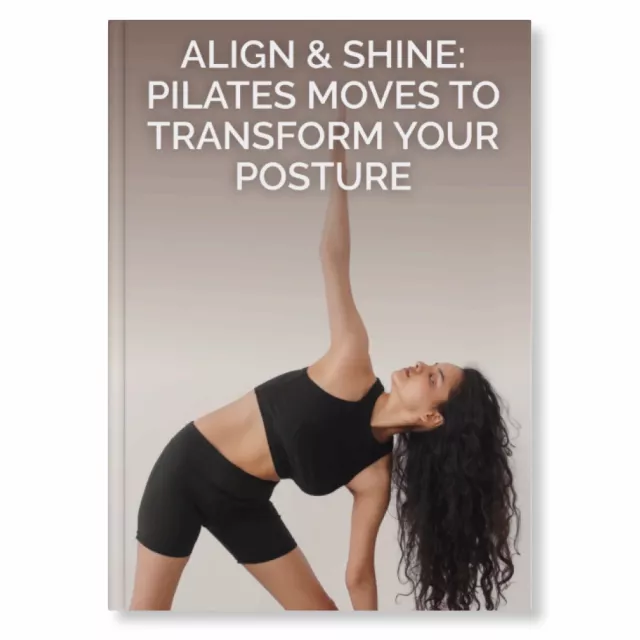
Proper form in Pilates posture work feels controlled, aligned, and surprisingly precise. Instead of muscling through, you should notice steady breathing, smooth movement, and a sense that your spine is being “organized” from head to tail—without strain in the neck, shoulders, or low back.
Start with your alignment checkpoints. In most Pilates posture exercises, your head stays long (chin level, not jutting forward), your ribs remain “stacked” over your pelvis (no rib flare), and your pelvis stays neutral unless the move specifically cues a tuck or imprint. If you feel pinching in the low back or tension climbing into the upper traps, it’s a sign your alignment has slipped or you’re overrecruiting the wrong muscles.
Good form often feels like gentle effort in the deep core, glutes, and upper back rather than pressure in the joints. Look for these cues: your shoulders stay heavy and wide, your collarbones feel open, and your neck stays relaxed. During standing or kneeling posture drills, you should feel even weight through both feet (or shins) and a subtle lift through the crown of the head, as if your spine is lengthening upward.
Fast reps, holding your breath, or shaking from tension usually mean you’ve lost control. Another common tell is gripping: clenched jaw, tightened glutes that override abdominal support, or ribs popping forward to “fake” a bigger range of motion. If you can’t keep the movement slow and quiet, reduce the range, add support (like a pillow or block), or reset your neutral spine and try again.
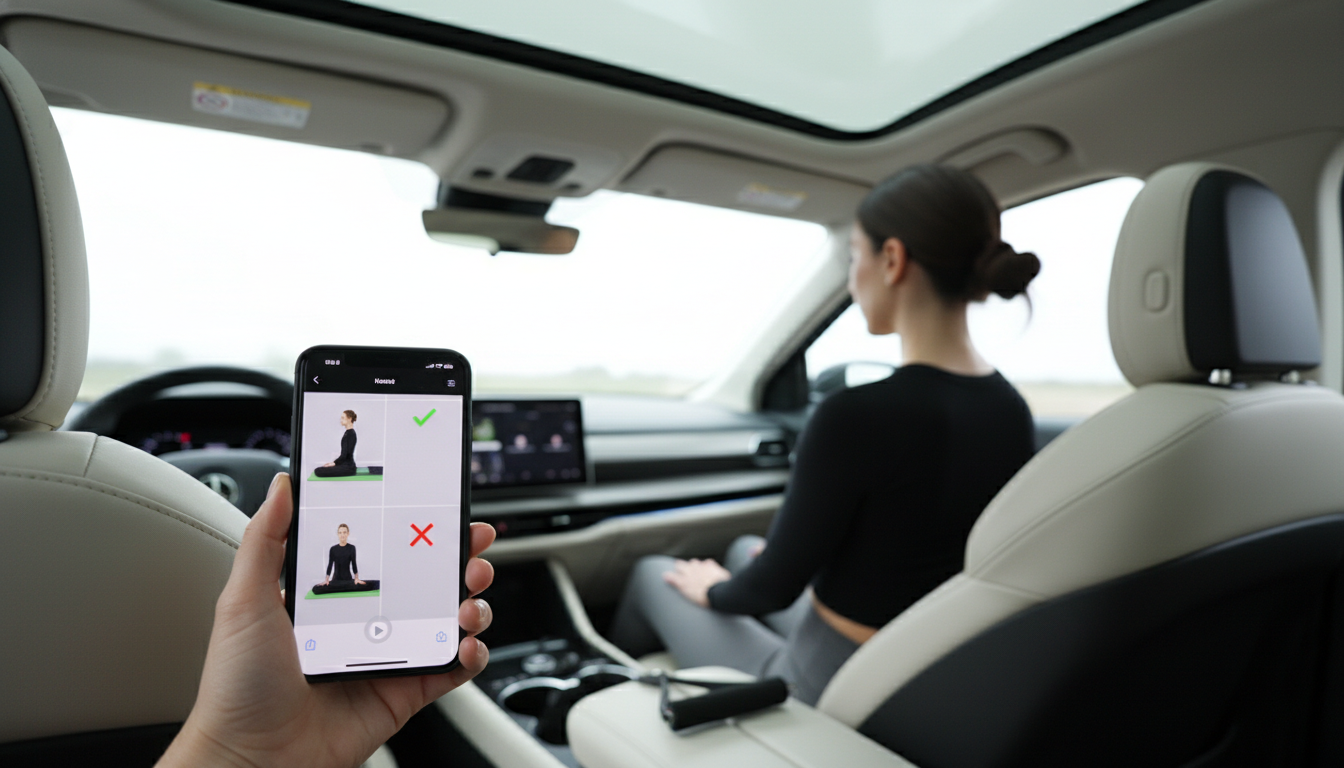
Use a mirror from the side for a quick posture scan, or record a short video to see rib flare, forward head, or pelvic tipping. Tactile feedback helps too: place fingertips on the front of your ribs to monitor flaring, or on the hip bones to keep the pelvis level. When in doubt, prioritize alignment over intensity.
For more detailed form cues and examples, visit the full guide on Pilates posture exercises and proper form.
The big ones are rib flare, forward head/neck tension, and over-arching the low back to chase range of motion. Slowing down and returning to stacked ribs-over-pelvis alignment usually fixes most issues quickly.











Leave a comment