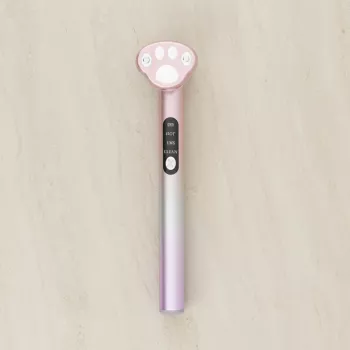
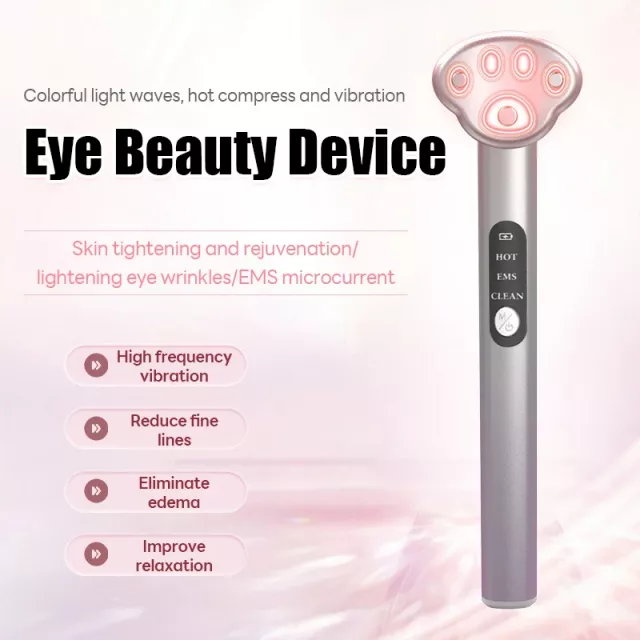
A compact lifting wand that combines EMS microcurrent, gentle heat, vibration, and 7-color light to support a smoother-looking, more refreshed complexion—especially around the delicate eye area. Used consistently with a conductive skincare step, it can fit into a quick morning depuff routine or a longer evening wind-down.
What This Wand Helps With
- De-puffing the under-eye area and helping the face look more awake
- Supporting a firmer-looking feel along cheeks, jawline, and brow area with regular use
- Softening the look of fine lines by improving the look of hydration and bounce when paired with skincare
- Soothing tightness with gentle warmth and relaxing vibration, especially after long screen time
- Creating a consistent at-home routine that complements sunscreen, moisturizer, and targeted serums
For general consumer context on microcurrent devices and facial wrinkles, the FDA provides a helpful overview: FDA: Microcurrent for Facial Wrinkles (Consumer Information).
How the Key Functions Work Together
- EMS microcurrent: low-level electrical stimulation designed to help muscles feel engaged and skin look more toned over time; best used with a conductive gel/serum layer
- Heat: helps products spread comfortably and can make massage feel more relaxing; keep it gentle and avoid lingering in one spot
- Vibration: supports a massage-like effect that can help reduce the look of puffiness and improve the feel of circulation
- 7-color light: often used in routines that target different appearance goals (such as calming the look of redness or supporting a brighter look); results vary and consistency matters
Modes at a glance
| Feature |
How it feels |
Where it fits best |
Simple tip |
| Microcurrent (EMS) |
Mild tingling or tapping |
Jawline, cheeks, brow bone (not on eyelids) |
Use a conductive layer; increase intensity gradually |
| Heat |
Warm, soothing glide |
Under-eye (light pressure), smile lines, neck |
Keep the wand moving to avoid overstimulation |
| Vibration |
Gentle buzzing massage |
Puffy areas, temples, cheeks |
Short passes work better than pressing hard |
| 7-color light |
No/low sensation |
Face and eye contour (following device guidance) |
Pair with a consistent schedule (several times per week) |
A Simple Routine (5–10 Minutes)
- Prep: cleanse and apply a conductive gel or a slip-friendly serum layer so the wand glides without tugging
- Eyes: sweep from inner corner to outer corner under the eye using feather-light pressure; avoid direct contact with the eyelid unless device guidance explicitly allows it
- Cheeks: move upward and outward from the nose area toward the temples in slow passes
- Jawline: glide from chin toward ear; keep movements lifting rather than dragging down
- Forehead: sweep from brows upward; avoid treating the center of the throat area unless the device instructions specify neck-safe zones
- Finish: apply moisturizer; daytime routines should end with sunscreen
If building a simple baseline routine, the American Academy of Dermatology’s guidance is a solid reference point: American Academy of Dermatology: Skin Care Routine Basics.
Using It Safely Around the Eye Area
- Use minimal pressure; the goal is glide, not deep tissue massage
- Stay on the orbital bone (under-eye and brow bone) rather than the eyelid
- Skip use on broken skin, active irritation, or immediately after strong exfoliants if the area feels sensitive
- If sensitivity occurs, reduce intensity, shorten sessions, and focus on hydration and barrier support
- People with implanted medical devices (such as pacemakers), seizure disorders, or who are pregnant should consult a clinician before using EMS devices
For many routines, the biggest difference comes from technique: a slippery base layer, light pressure, and slow outward-and-upward strokes (rather than quick, forceful passes that can tug delicate skin).
What to Pair With It (Skincare Compatibility)
- Conductive step: an EMS-compatible gel is ideal; otherwise choose a water-based serum with plenty of slip and reapply if it starts to dry
- Barrier-first moisturizers: help reduce post-treatment dryness or tightness
- Avoid combining with: strong acids or retinoids in the same session if prone to sensitivity; consider alternating nights
- Makeup prep: a brief de-puff pass in the morning can help concealer sit more smoothly (pat, don’t drag)
- Consistency: small routines done several times weekly typically look better than occasional long sessions
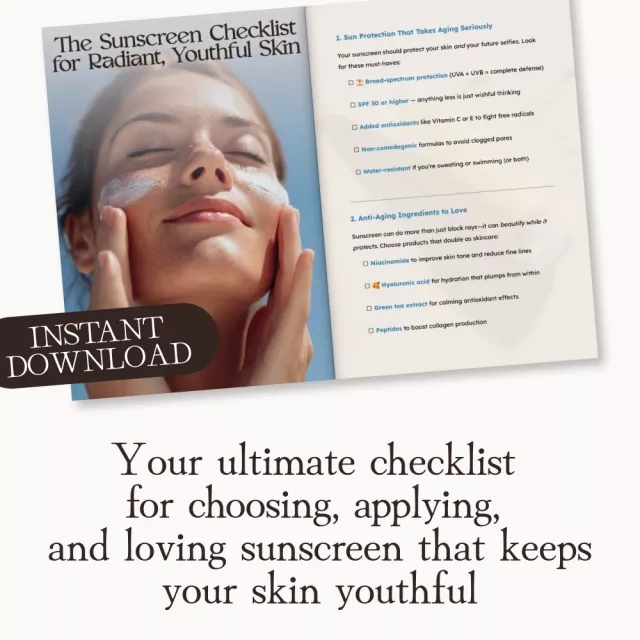
To make the “conductive step” easier to stick with, it helps to choose a serum format that won’t pill under moisturizer and sunscreen. For a quick, structured way to narrow down options, Picking the Perfect Serum for Mature Skin (Printable Skincare Checklist) can be a practical companion to a device-based routine.
Care, Cleaning, and Storage
Who It’s Best For
Shop the Routine Staples
FAQ
How often can an EMS microcurrent lifting wand be used?
Several times per week is a practical starting point, with shorter sessions at a lower intensity until your skin adjusts. Gradually increase frequency or intensity as tolerated, and prioritize consistency over long, occasional sessions.
Do heat and vibration help with under-eye puffiness?
Gentle warmth and vibration can support temporary de-puffing by creating a soothing, massage-like effect. Use very light pressure and sweep outward from the inner under-eye area toward the temple, keeping the wand moving for comfort.
What should be applied before using a microcurrent wand?
Apply a conductive gel when possible, or use a water-based serum with plenty of slip and reapply if it starts to dry. Avoid using the device on dry skin, and if you’re sensitive, don’t pair it in the same session with strong acids or retinoids.
Recommended for you









Leave a comment