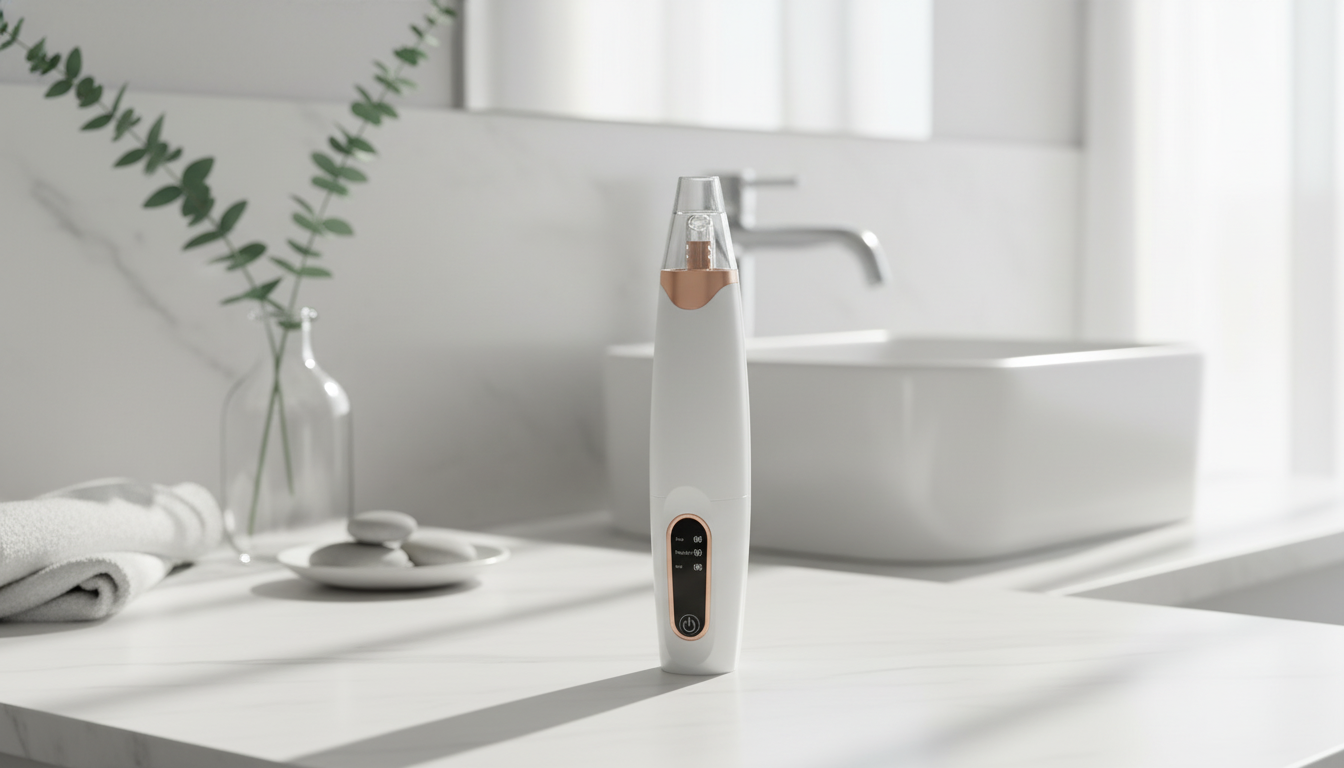
A pore vacuum can help lift surface oil, debris, and loosened buildup when used with the right prep and gentle technique. This guide covers what to expect, how the three suction modes fit different skin needs, and how to use and clean the device for comfortable at-home pore care.
Pore vacuums are designed to address visible congestion at the surface—especially on high-oil areas like the nose, chin, and center forehead. When skin is properly softened, suction can lift material sitting at the pore opening so the skin feels cleaner and looks smoother.
If you’re unsure whether you’re seeing blackheads or sebaceous filaments (which are normal, oil-lined pore structures that can look like “dots”), a helpful overview is available from the Cleveland Clinic.
Suction works by creating negative pressure that gently pulls on the skin surface. When pores are warmed and softened, that pressure can draw out loosened oil and debris. The tip you use matters: a narrower opening concentrates suction and can feel stronger, while wider tips distribute pull more evenly.
Technique is the difference between “fresh and smooth” and “tender and marked.” The goal is gentle, controlled movement—short, steady passes—rather than trying to “vacuum” one pore at a time.
Three suction modes make it easier to match intensity to the area you’re treating. Thin-skinned zones and first-time sessions typically do best on low. If skin tolerates suction well, medium is often enough for the nose and chin. High is best treated like a spot tool: brief passes, only on thicker, oilier areas.
| Mode | Best for | How to use | Avoid if |
|---|---|---|---|
| Low | Sensitive or dry skin; first use; cheeks | 1–2 quick passes per area; keep moving | Broken skin, active irritation, recent procedures |
| Medium | Normal/combination skin; nose and chin | Short gliding strokes; pause to re-prep if skin dries | Easy bruising, visible capillaries/rosacea-prone skin |
| High | Oily, thicker skin; stubborn congestion on nose | Very brief passes; never hold in one spot | Inflamed acne, thin skin, or if marks appear quickly |
Plan for a short session. Overworking an area is the most common reason people end up with redness that lingers longer than expected.
If you’re actively managing acne or unsure what’s safe to combine, the American Academy of Dermatology Association has practical, dermatologist-backed acne basics that can help you keep expectations realistic and avoid over-treating your skin.
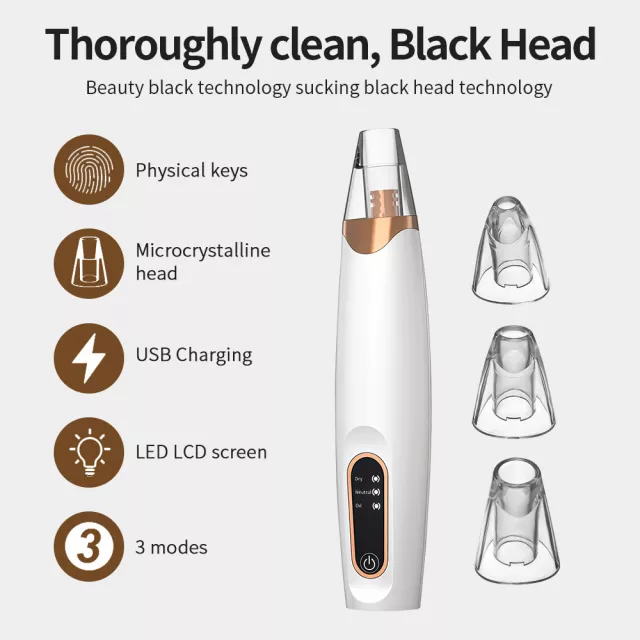
If you’re shopping for an adjustable at-home option, the Electric Blackhead Remover Vacuum Pore Cleaner with 3 Suction Modes offers three intensity settings to help you start gently and customize as your skin tolerates suction. It’s intended for common congestion zones such as the nose, chin, and forehead, and it’s available with fast US shipping and a money-back guarantee via the product page.
For a more organized routine—especially if you’re balancing hydration, actives, and barrier-support steps—the Picking the Perfect Serum for Mature Skin | Printable Skincare Checklist can help streamline what to use and when, so pore care doesn’t turn into overdoing it.
Most people do best with conservative use—often weekly or less—especially at first. Limit each area to a couple of quick passes and reduce frequency if you notice lingering redness, tenderness, or bruising.
No—oil and dead skin can build up again over time, so results aren’t permanent. Consistent cleansing and appropriate exfoliation typically help maintain clearer-looking pores, and some “dots” may be sebaceous filaments rather than true blackheads.
Common causes include using suction that’s too high, holding the tip in one spot, doing too many passes, or working on skin that wasn’t softened and stayed dry. Drop to a lower mode, keep the tip moving, shorten the session, and stop right away if marks appear.












Leave a comment