Broad spectrum SPF is more than a label—it’s a promise of balanced UVA and UVB protection when used correctly. The tricky part is that most “sunscreen fails” aren’t about buying the wrong bottle; they’re about under-applying, missing areas, and forgetting to reapply. Below is a practical breakdown of what broad spectrum really means, what SPF numbers can (and can’t) tell, and a simple checklist you can follow so sun protection becomes automatic.
Sunlight includes different types of ultraviolet (UV) radiation, and they don’t affect skin the same way.
For a quick refresher on how broad spectrum labeling works, the U.S. FDA sunscreen guidance lays out what those terms mean on U.S. packaging.
SPF is often treated like a “strength score,” but it’s more specific than that.
A helpful mindset: SPF is your baseline, but your results depend on consistency, coverage, and timing.
This routine is designed to be realistic—something you can repeat on busy mornings, travel days, and “just running errands” afternoons.
| Step | What to do | Quick notes |
|---|---|---|
| Morning pick | Choose broad spectrum SPF 30+ | Match to skin type to improve consistency |
| Apply amount | Apply a generous, even layer | Cover face, neck, ears; don’t spot-apply |
| Set time | Let sunscreen dry before makeup | Helps reduce pilling and patchiness |
| Outdoor rule | Reapply every 2 hours outdoors | More often with high heat/humidity |
| After water/sweat | Reapply after swimming/sweating/towel-dry | Water resistance has time limits |
| Overlooked zones | Lips, hands, scalp part, hairline | Keep a stick or mini tube handy |
| Extra protection | Hat, sunglasses, shade | Adds protection without extra product |
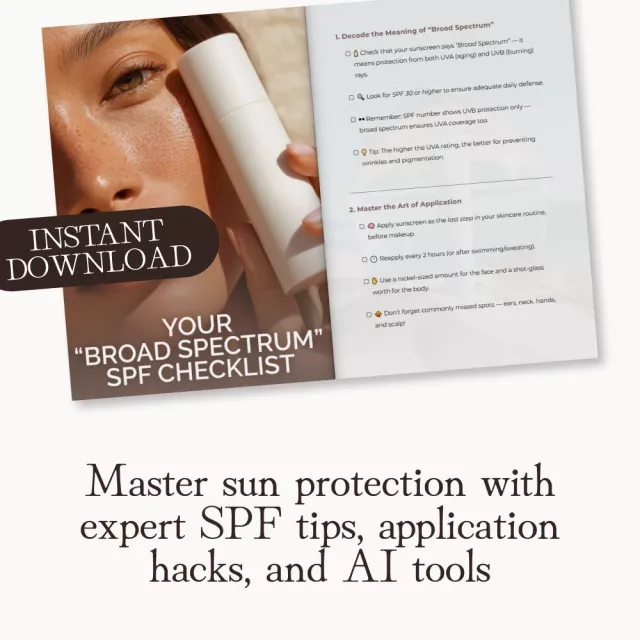
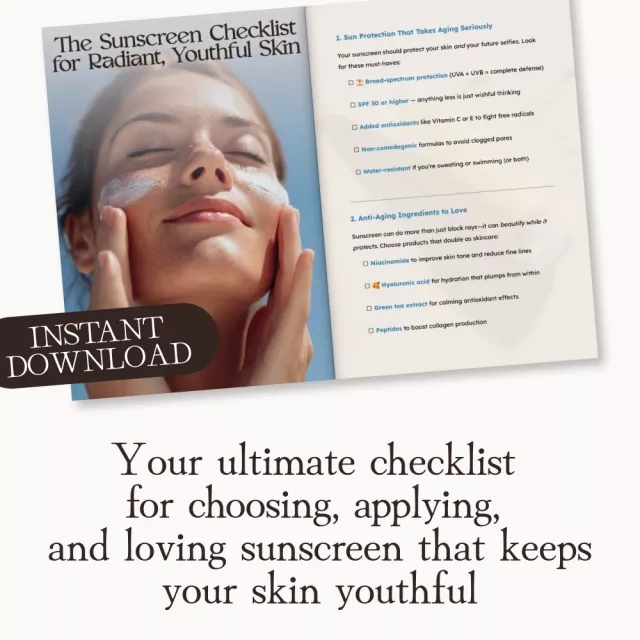
If you like having a one-page reminder you can keep by the mirror or pack in a travel bag, see Broad Spectrum SPF Checklist (printable).
The “best” sunscreen is the one you’ll use at the right amount, most days of the year. A few practical filters (no pun intended) help narrow it down:
For more background on everyday sun protection habits, the Skin Cancer Foundation’s sunscreen basics is a solid reference.
Two routine-friendly printables that pair well together are Your “Broad Spectrum” SPF Checklist and Picking the Perfect Serum for Mature Skin (printable checklist).
Not always. SPF primarily measures UVB protection under test conditions, and higher numbers can help, but applying enough and reapplying consistently usually matters more. A broad spectrum formula you’ll wear daily is the best choice for most routines.
Broad spectrum indicates meaningful UVA protection in addition to UVB, but it doesn’t guarantee perfectly equal protection across every wavelength. Using enough product, reapplying, and adding hats/shade improves real-world coverage.
It depends on exposure. If you’re near bright windows, commuting, or stepping outside during the day, follow the outdoor rule of reapplying every 2 hours during active exposure. Otherwise, consider reapplying before going outdoors and after sweating, wiping, or washing your face.










Leave a comment