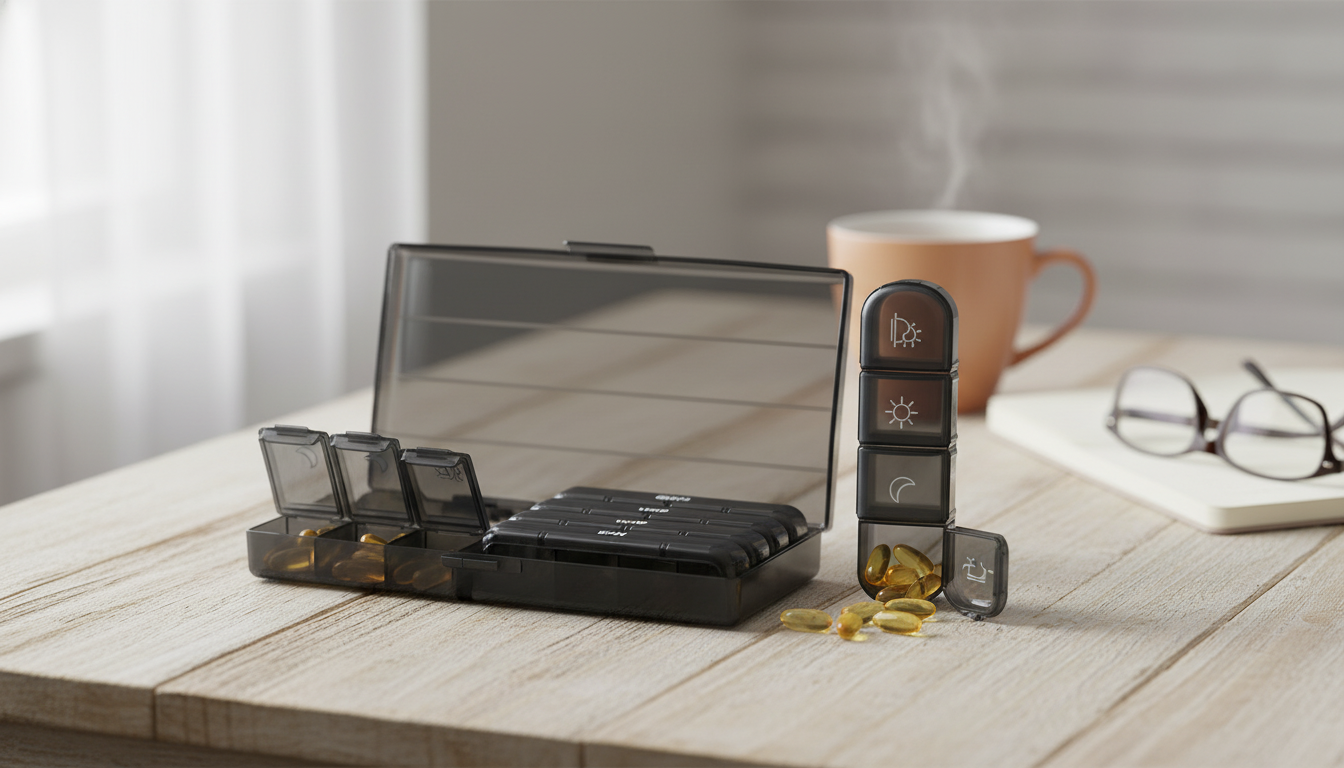
A weekly pill organizer with roomy, separated compartments helps reduce missed doses and mix-ups—especially when multiple medications, supplements, or different dosing times are involved. A 28-compartment layout (7 days x 4 daily time slots) creates a repeatable system that’s easy to check at a glance. Below are the practical details that matter most: how the 28-slot format supports common routines, what “large compartments” change in real life, how to set up your week safely, and which everyday habits keep the system working long-term.
For many households, the challenge isn’t remembering that medication is needed—it’s keeping track of what’s due and when, across a full week. A 28-compartment weekly organizer typically supports four dose windows per day, such as morning/noon/evening/bedtime, which mirrors many real-world schedules.
For general medication safety tips and reminders (including label-reading and storage basics), the FDA’s guidance is a useful reference: FDA: Tips for Taking Medicine Safely.
“Large compartments” aren’t just a comfort feature—they can prevent practical problems that cause people to abandon an organizer. Tight spaces can lead to crushed tablets, lids that won’t close, or contents that are hard to verify without dumping them out.
| Use case | Common challenge | How larger compartments help |
|---|---|---|
| Multiple daily medications | Crowded spaces lead to mix-ups | Clear separation and easier visual checks |
| Large tablets/softgels | Lids won’t close or pills get crushed | Room to store without pressure |
| Caregiving support | Hard to verify adherence quickly | Faster “taken/not taken” confirmation |
| Supplements plus prescriptions | Bottles are inconvenient daily | Consolidates the week in one place |
Weekly organizers may look similar online, but small design differences can decide whether it’s easy to use every day—or annoying enough to abandon.
For medication and supplement information (including common interactions and usage considerations), MedlinePlus is a reliable resource: NIH MedlinePlus: Medicines and Supplements.
| Step | What to do | Why it helps |
|---|---|---|
| 1 | Confirm the latest instructions | Prevents filling based on outdated directions |
| 2 | Fill one bottle across all days | Reduces mix-ups from switching back and forth |
| 3 | Match pill shape/color to label | Catches look-alike errors early |
| 4 | Final scan by time slot | Ensures each dose window is complete |
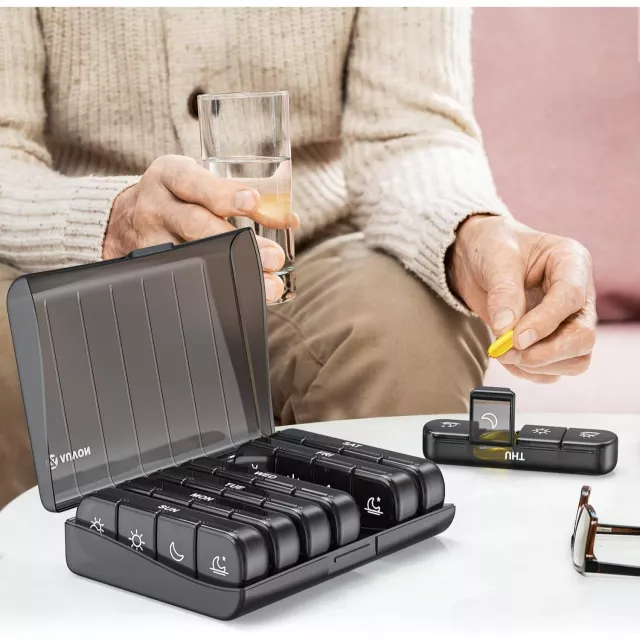
If a structured weekly system is needed—especially with multiple daily dose times—Weekly Pill Organizer with 28 Large Compartments is built around a full 7-day schedule with 28 separate spaces. The larger compartments are a practical fit for bigger pills or multi-pill doses, and the dedicated layout supports quick “taken/not taken” checks during the day.
| Detail | Value |
|---|---|
| Product | Weekly Pill Organizer with 28 Large Compartments |
| Price | 37.95 USD |
| Availability | In stock |
| Category | Health & Beauty |
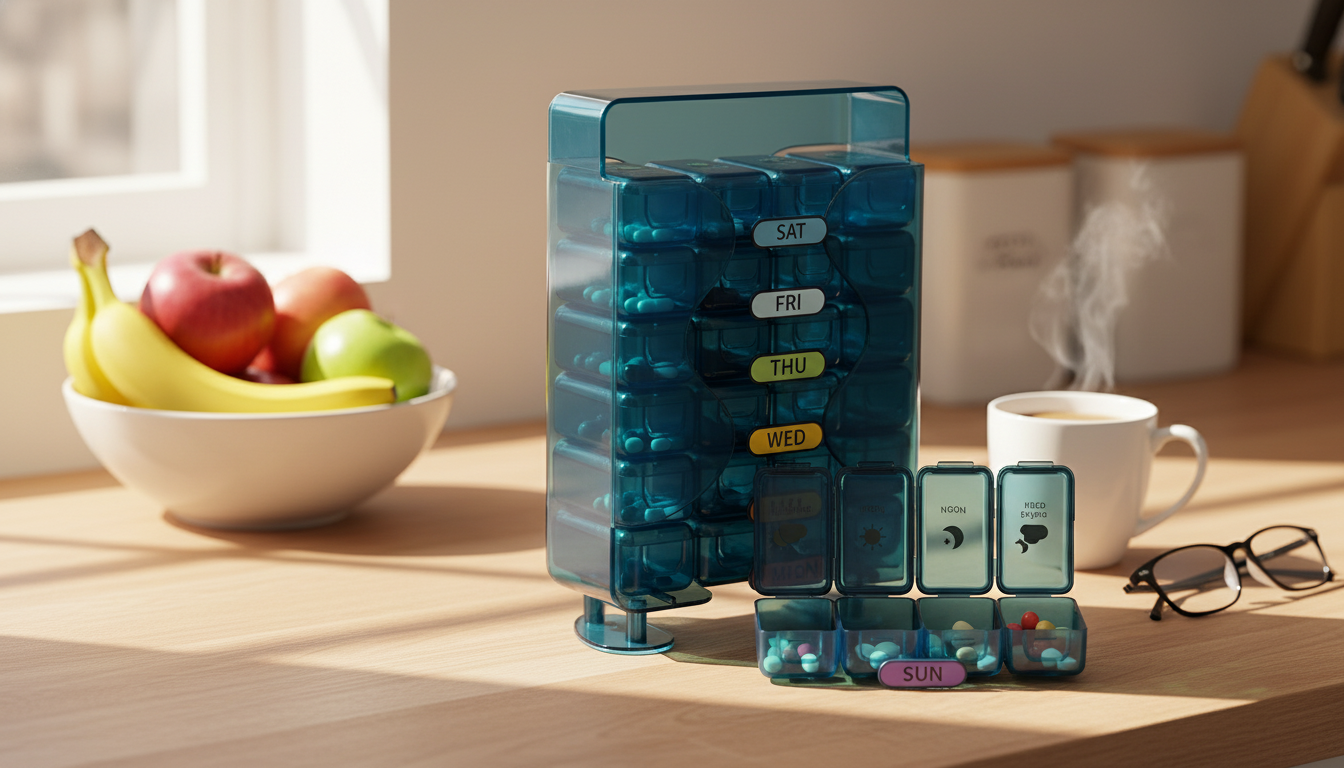
For a different style in the same 28-compartment weekly format, compare with 7-Day Colorful Pill Organizer with 28 Compartments, which can be helpful for households that prefer stronger visual cues day-to-day.
A 28-compartment organizer spread across 7 days typically equals 4 dose times per day. That fits many schedules (such as morning/noon/evening/bedtime), but it’s important to match the organizer’s time slots to your prescribed timing.
Many people store doses in a weekly organizer for convenience, but storage guidance can vary by medication (light, moisture, and child-safety considerations). For medication-specific advice, confirm with a pharmacist and keep the original labeled bottles and instructions available for reference.
Check the medication instructions first and contact a pharmacist or prescriber if you’re unsure what to do next. Avoid doubling up without professional guidance, since “make-up” dosing isn’t safe for every medication.









Leave a comment