4-in-1 Electric Facial Cleansing Brush: Waterproof Cleansing, Exfoliating, and Massage for a Smoother-Looking Routine
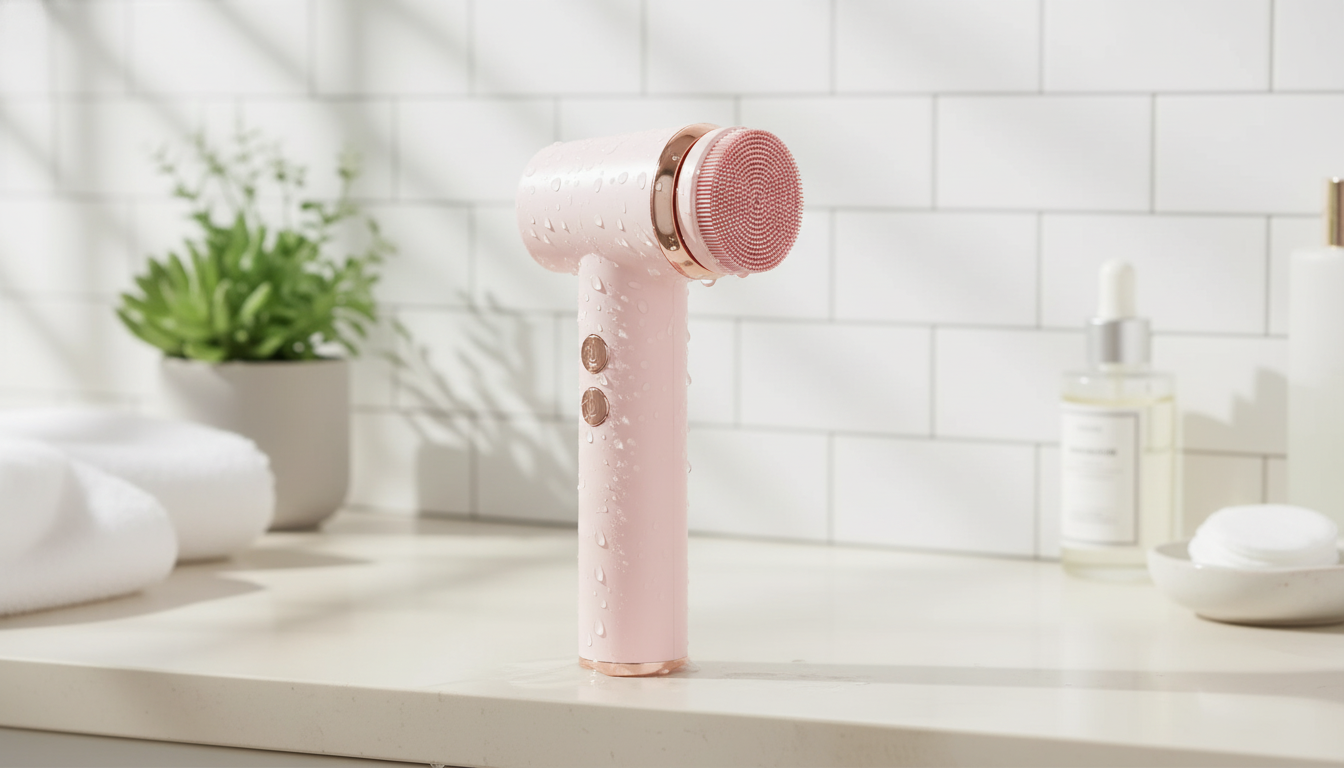
A cleansing brush can help turn a basic wash into a more thorough routine by combining gentle mechanical cleansing with targeted exfoliation and a face-friendly massage. The 4 in 1 Electric Facial Cleansing Brush – Waterproof, Exfoliating & Massaging is designed for at-home use with interchangeable functions and a waterproof build, making it easier to use at the sink or in the shower while keeping steps simple.
What the 4-in-1 brush is designed to do
A multi-function facial brush is most useful when it reduces friction in your routine—meaning fewer separate tools and fewer “extra steps” that are easy to skip. This kind of device is typically designed to support:
- Cleansing support: helps lift away daily buildup when paired with a gentle cleanser, especially around areas where sunscreen and makeup tend to cling.
- Exfoliating support: helps remove surface flakes so skin feels smoother and looks more even (when used conservatively).
- Massaging support: adds a relaxing step that can be used during cleansing or after rinsing to make the routine feel more polished.
- Waterproof convenience: suitable for wet environments so the routine feels less fussy.
- Routine streamlining: one tool for multiple steps instead of separate gadgets on the counter.
For best results, pair the brush with a smooth, non-gritty cleanser (gel or cream is usually ideal) and let the bristles and motion do the work rather than pressing hard.
Waterproof use: where it fits best (sink, shower, travel)
A waterproof facial brush earns its place by being easy to use where you already cleanse—without needing special setup. Here’s how it tends to fit into real life:
- Shower-friendly: a convenient option if you like washing your face while hair conditioner is setting. Warm water can soften buildup so you don’t feel like you’re scrubbing.
- Sink setup: offers more controlled pressure and precision for targeted areas like the sides of the nose, chin, and jawline.
- Travel routine: keeps the same cleansing feel even when your skincare products change. This can be helpful when hotel water or climate makes skin feel “off.”
- Care note: allow attachments/heads to dry between uses to reduce residue buildup.
- Storage tip: keep the device in a ventilated spot rather than inside a sealed, damp bag.
Exfoliation without overdoing it
Exfoliation is one of those steps where “more” doesn’t equal “better.” Overdoing it can lead to redness, tightness, or a rough, reactive feeling that makes everything sting. Dermatology guidance generally emphasizes gentle technique and measured frequency (see the American Academy of Dermatology’s tips on how to exfoliate safely).
- Start slow: introduce exfoliating use 1–2 times per week, then adjust based on comfort.
- Use light pressure: more pressure is more likely to cause redness and sensitivity than “better cleaning.”
- Avoid active stacking: skip strong acids, retinoids, or scrubs on the same night when possible, especially early on.
- Skip compromised areas: avoid broken, irritated, or freshly sunburned skin—and avoid zones that react easily.
- Moisturize after: follow with a simple moisturizer to support the skin barrier.
Suggested frequency by skin feel (general guidance)
| Skin feel |
Cleansing brush (gentle) |
Exfoliating attachment/function |
Massage use |
| Very sensitive or easily red |
2–3x/week |
0–1x/week |
As tolerated, light |
| Normal/combination |
Daily or every other day |
1–2x/week |
3–5x/week |
| Oilier skin (not irritated) |
Daily |
2–3x/week |
3–5x/week |
| Dry/flaky (not inflamed) |
Every other day |
1x/week |
3–5x/week, light |
Massaging step: how to make it feel good and look polished
A massage function is best thought of as a “finishing touch”—something that helps you slow down for a minute without dragging at the skin.
- Keep movements gentle: use upward/outward passes; avoid tugging around the eyes.
- Use on well-lubricated skin: cleanser and water work well; if massaging after rinsing, keep skin damp or add a simple hydrating layer if appropriate.
- Focus areas: jawline, cheeks, temples, and forehead. Short sessions are enough.
- Stop if it turns uncomfortable: warmth should not become stinging, and redness shouldn’t linger.
- Make it a reset: pair the step with slow breathing for an easy wind-down.
How to use it in a simple AM/PM routine
AM routine idea
PM routine idea
If you wear heavier makeup, consider a first cleanse (oil or balm) and then follow with a gentle cleanser + brush. Avoid using the brush over gritty exfoliating cleansers; choose smooth formulas to reduce friction. For broader routine basics—like choosing gentle products and keeping things consistent—Mayo Clinic’s overview of skin care basics is a helpful reference.
Cleaning and maintenance for long-term performance
Who it tends to suit (and who should be cautious)
Recommended add-ons (kept simple)
FAQ
Can a waterproof facial cleansing brush be used in the shower every day?
Yes for many people, as long as you use light pressure and keep sessions short. If you notice dryness or redness, cut back to every other day, and always rinse the head thoroughly and let it dry completely between uses.
How often should the exfoliating function be used?
Start 1–2 times per week and adjust based on how your skin feels. If irritation shows up, reduce frequency and avoid combining exfoliation with strong acids or retinoids on the same night.
Is an electric cleansing brush okay for sensitive skin?
It can be, especially with a soft attachment, minimal pressure, and shorter sessions used less often. Stop if you experience stinging or persistent redness, and avoid using it on compromised or actively irritated skin.
Recommended for you












Leave a comment